Commercial work here runs on different contract structures, tighter trigger depths and a different insurance conversation than residential — and in one city in this metro, on a permit and a bond. What it does not run on is a published price, because nobody local publishes one.
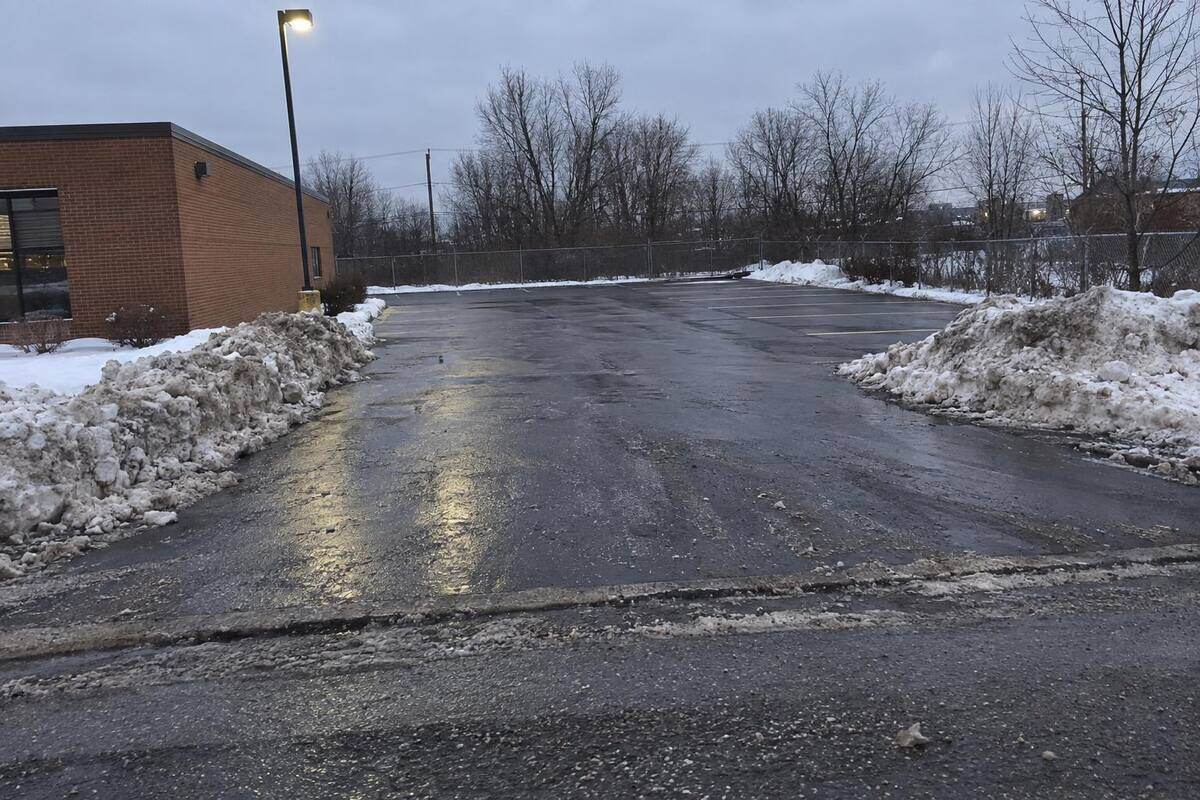
A lot is not a big driveway. It is a surface where where the pile goes has to be decided before the season, because the wrong decision costs you parking spaces in January and puts an ice sheet across a traffic lane in February.
Retail is the segment the per-push depth-tier contract was built for, and it is also the one where the entrance matters more than the lot. Customers judge a site by the twenty feet between the car and the door.
A medical site cannot be closed, cannot be late, and cannot have ice at an entrance where the people arriving are by definition less steady on their feet than average. This is what full-service seasonal with pre-treatment and 24/7 response exists for.
Associations are the segment the fixed monthly seasonal contract was designed for, usually on a two- or three-year agreement across five winter months — because a board has to budget a number in advance and cannot explain a February invoice that tripled.
Industrial sites have the largest surfaces and the least forgiving geometry: dock aprons, trailer yards and truck turning circles, where a berm in the wrong place stops a forty-foot trailer rather than inconveniencing a car.
A campus is several sites pretending to be one: multiple entrances, structured or surface parking, internal roads, and a walking network between buildings that has to be clear at the same moment on a morning when everyone arrives inside the same forty minutes.
Three contract structures are standard in Northeast Ohio, and a major regional commercial operator describes all three:
Trigger depths run tighter on commercial work than the two-inch residential standard — commonly one to two inches, set in the contract. On a site with foot traffic that difference is the whole point.
No dollar figures appear on this page, deliberately. Not one Cleveland-area commercial snow operator publishes a seasonal price, and the page that currently ranks for the question quotes hourly and seasonal tiers with no local contractor, survey or data source cited anywhere in it. Repeating those numbers would make this page rank and would be making things up. What is documented is the structure, and that is what is here.
This is one of the clearest holes in the Cleveland market. Residential pricing is thin but it exists — one local contractor publishes a season range. Commercial pricing does not exist locally at all. The major Northeast Ohio operators publish detailed education on contract structures and no dollar figures whatsoever.
The route to defensible local commercial numbers is public records: municipal and school-district snow contract bid tabulations carry real awarded rates for real Northeast Ohio sites. That is worthwhile work, and it is not something to substitute a guess for in the meantime.
What a commercial quote is actually built from is the site: surface area, the priority order, the hours it has to be open, where the piles can go, and how tight the trigger needs to be. Give those and the number is real.
Ohio issues no snow removal license — the state board covers five trades and this is not one of them — so verification is insurance and registration. Ohio is also a monopolistic workers’ compensation state: coverage is available only through the Ohio Bureau of Workers’ Compensation, and any business with even one employee must carry it.
And one local requirement that applies to commercial work specifically: Cleveland Heights requires commercial snow removal contractors to hold a city permit, post a $10,000 surety bond and carry continuous insurance under Chapter 751, refiled every December 31. If the property is there, ask whether the operator is current. Chapter 751 → · Ohio rules →
Address, surface area, priority order and opening hours. Four things, and the quote is built from the site rather than from a range.
Call (216) 677-6862 Get a Season Price Cleveland